Prolific Author, Dr. Trenton Bailey, Visits BK Nation
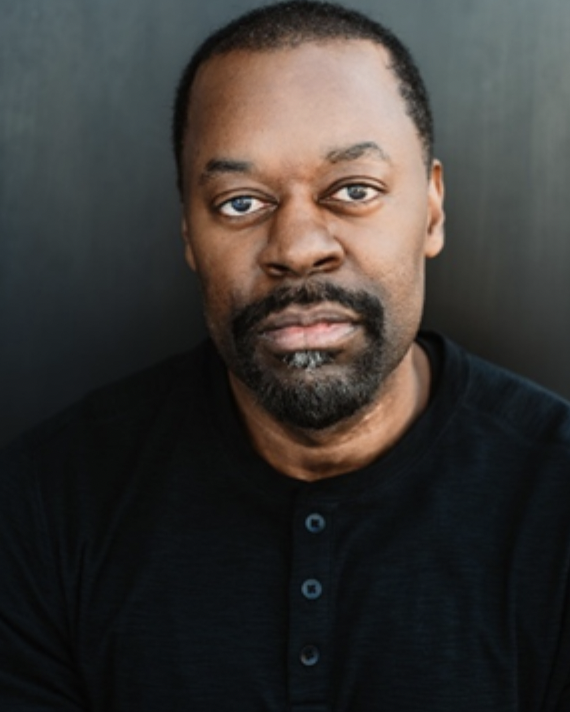
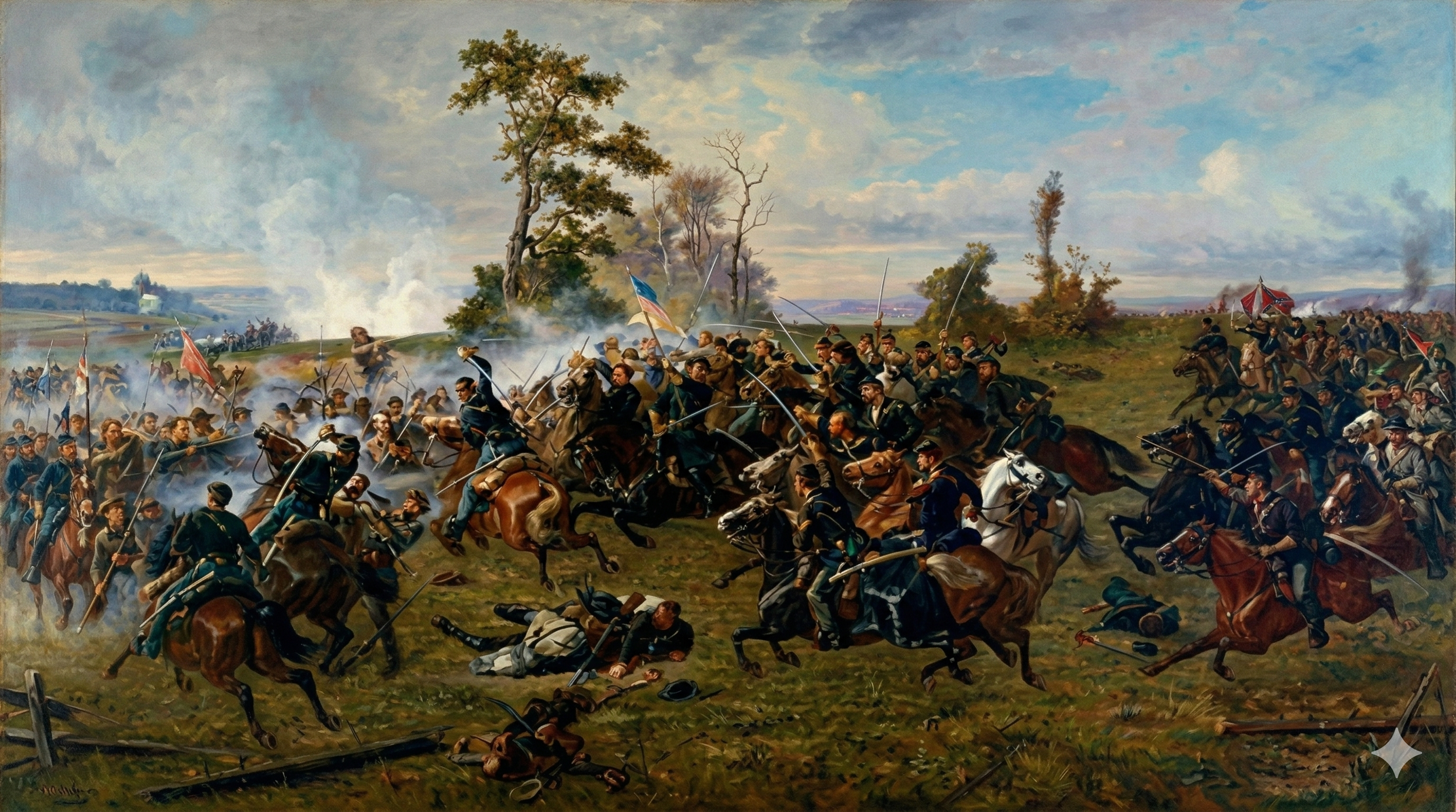
The month of April is an exciting time with bright skies, budding trees, and the welcome of spring. On April 5, 2026, many Christians throughout the country will be celebrating Easter; the high mark of the Christian faith as it depicts the death, burial and resurrection of Jesus Christ. For historians, April highlights some important events in American history: the battle of Lexington and Concord on April 19, 1775 which catapulted the American Revolutionary War and the Battle of Appomattox Court House on April 8, 1865 which was confederate general Robert E. Lee’s last battle before he surrendered to union forces during the American Civil War.
Speaking of historical events, I am delighted to welcome Dr. Trenton Bailey to BK Nation. He is the author of “Do you Remember? Celebrating 50 Years of Earth, Wind and Fire.” As a child growing up in the 70s, EW&F was one of my favorite singing groups. They were not only talented and gifted musicians, but their music continues to resonate with people from all walks of life. Dr. Bailey provides the reader with a detailed overview of the rich history of EW&F from their sparse beginnings trying to get a foothold in the music industry to becoming an iconic singing group known throughout the world. BK Nation, I present to you Dr. Trenton Bailey.
KR: Dr. Bailey, it’s an honor having you as our guest at BK Nation. Tell us a few interesting things about yourself that very few people know.
TB: Well, when I’m not working or writing, I watch track and field, old sitcoms, and sketch comedy. Laughter is good for the soul. I like to play board games and card games. I also like figuring out brainteasers and riddles.
KR: As a child growing up, what were your favorite TV shows, hobbies, and genre of music?
TB: My favorite TV shows were Different Strokes, The White Shadow, 227, The Cosby Show, A Different World, and a few others. I really love sitcoms from the ‘70s to the ‘90s. My hobbies were running, building unique things with Lego blocks, and amusement park thrills. My favorite genre of music is funk, especially from the ‘70s and ‘80s. But I love several genres, including gospel, R&B, house, jazz, reggae, soft rock, and more.
KR:What or who inspired you to become an author?
TB: I would have to say being in education and working on my doctoral thesis inspired me to become an author. My dissertation is titled Kemetic Consciousness: A Study of Ancient Egyptian Themes in the Lyrics and Visual Art of Earth, Wind & Fire, 1973 – 1983. Those ten years were the band’s classic period, when they were most successful. Of course, I wanted to turn my dissertation into a book. My publisher felt that ten years about Earth, Wind & Fire was too short. They advised me to write the full history of the band. So, that’s what I did. After writing Do You Remember, I figured I could write more books similar to this one.
KR: How did your experience as a college history professor help you transition into becoming an author?
TB: As an African Studies and history professor, it was easy to transition into an author because I understand how to narrate a particular topic. Research is very important. Unlike writing fiction, history writers must cite sources and have “credible” sources.
KR:In reading your book, “Do You Remember? Celebrating 50 Years of Earth, Wind & Fire,” you touched on the historical, spiritual and social aspects of this renown singing group. What impact did EW&F have on your personal and professional life?
TB: Earth, Wind & Fire is my favorite artist because in addition to having a great sound, their lyrics are so positive and uplifting. I was also fascinated by their visual art. The album covers always intrigued. It was also interesting to learn Maurice White and I shared the same hometown, Memphis, TN. As far as my professional life, Earth, Wind & Fire helped me become a PhD (smile). By writing a thesis about my favorite band, I walked into a doctoral degree and authorship.
KR: What is your favorite EW&F song/album and why?
TB: There are so many songs which I can say is my favorite, including “September,” “Imagination,” “Fantasy,” “Let’s Groove,” “Fall in Love with Me,” “Touch.” “September” has a special place in my heart because it was my favorite song when I was in elementary school. As you can see, I titled the book off the first lyric of the song. (smile) My favorite album is probably Faces. Faces is a double album. So, there are more songs to love.
KR: I know you conducted extensive research in writing this book. Tell us about a member of EW&F or event that you connected with the most and why?
TB: It would definitely be Morris “Mo Pleasure” Pleasure. He served as the musical director for the band from the mid ‘90s until 2001. When I was trying to get in contact with the members for interviews for my dissertation, my fraternity brother advised me to send a message to Mo Pleasure on Facebook. So, I did. But he didn’t reply to me until two months later. When he replied, he informed me that the band would be playing in a particular city the following day and he could get my tickets and backstage passes. He was a God send. I went to the concert and met the band and set up some interviews. I also interviewed Mo because he was living in Metro Atlanta at the time. He was also able to give me some vital information about the band after their classic period.
KR: Where can BK Nation purchase your book and other published works?
TB: My books can be published at Amazon and other online book vendors. It can also be purchased at the University Press of Mississippi website.
KR: Any final thoughts before we conclude this interview?
TB: My second book has been published. It is titled Driftin’ on a Memory: Celebrating 70 Years of The Isley Brothers. I am currently working on my third book about the trailblazers of Afrofuturism in music. Afrofuturism is becoming a popular topic among artists.
KLR: Dr. Bailey, thank you so much for spending time with BK Nation today. And especially thank you for bringing back those fond memories listening to EW&F growing up in the 70s through your phenomenal book. As customary with our guests, you will be receiving a copy of my book, “A Time for Courage”, compliments of yours truly. And again, thank you for sharing your book with us and I do hope our paths cross again.
Historical Events in the Month of April
April 1, 1865 - During the American Civil War, Confederate troops of General George Pickett were defeated and cut off at Five Forks, Virginia. This sealed the fate of Confederate General Robert E. Lee's armies at Petersburg and Richmond and hastened the end of the war.
April 2, 1513 - Spanish explorer Ponce De Leon sighted Florida and claimed it for the Spanish Crown after landing at the site of present-day St. Augustine, now the oldest city in the continental U.S.
April 3, 1860 - In the American West, the Pony Express service began as the first rider departed St. Joseph, Missouri. For $5 an ounce, letters were delivered 2,000 miles to California within ten days. The famed Pony Express riders each rode from 75 to 100 miles before handing the letters off to the next rider. A total of 190-way stations were located about miles apart. The service lasted less than two years, ending upon the completion of the overland telegraph.
April 4, 1887 - The first woman mayor was elected in the U.S. as Susanna M. Salter became mayor of Argonia, Kansas.
April 5, 1986 - A bomb exploded at a popular discotheque frequented by American military personnel in West Berlin, killing two U.S. soldiers and a Turkish woman. American intelligence analysts attributed the attack to Muammar Qaddafi of Libya. Nine days later, President Ronald Reagan ordered a retaliatory air strike against Libya.
April 6, 1917 - Following a vote by Congress approving a declaration of war, the U.S. entered World War I in Europe.
April 7, 1712 - In New York City, 27 black slaves rebelled, shooting nine whites as they attempted to put out a fire started by the slaves. The state militia was called out to capture the rebels. Twenty-one of the slaves were executed and six committed suicide.
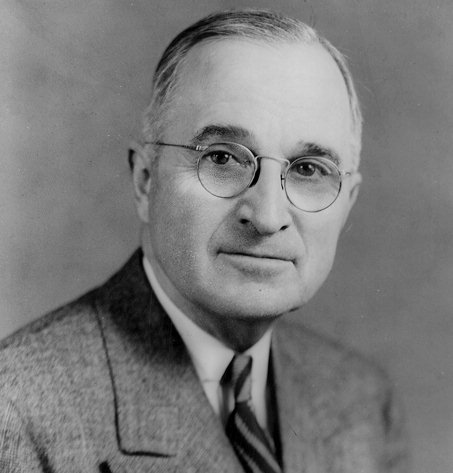
April 8, 1952 - President Harry S. Truman seized control of America's steel mills to prevent a shutdown by strikers. However, on April 29th, the seizure was ruled unconstitutional by a U.S. District Court. Workers immediately began a strike lasting 53 days, ending it when they received a 16-cent per-hour wage increase and additional benefits.
April 8, 1913 - The 17th Amendment to the U.S. Constitution was ratified requiring direct popular election of U.S. senators. Previously, they had been chosen by state legislature.
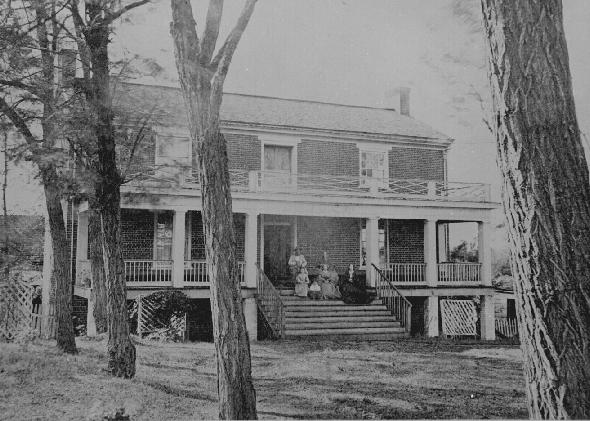
April 9, 1865 - After over 500,000 American deaths, the Civil War effectively ended as General Robert E. Lee surrendered to General Ulysses S. Grant in the village of Appomattox Court House. The surrender occurred in the home of Wilmer McLean. Terms of the surrender, written by General Grant, allowed Confederates to keep their horses and return home. Officers were allowed to keep their swords and side arms.
April 10, 1942 - During World War II in the Pacific, the Bataan Death March began as American and Filipino prisoners were forced on a six-day march from an airfield on Bataan to a camp near Cabanatuan. Some 76,000 Allied POWs including 12,000 Americans were forced to walk 60 miles under a blazing sun without food or water to the POW camp, resulting in over 5,000 American deaths.
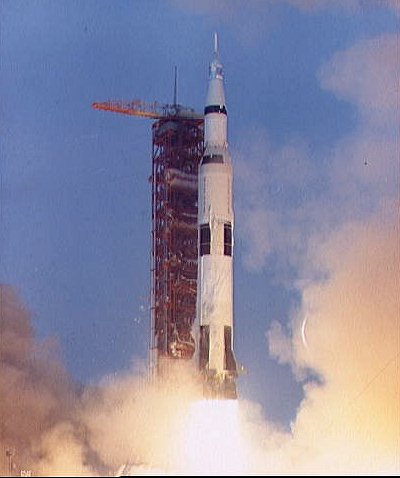
April 11, 1970 - Apollo 13 was launched from Cape Kennedy at 2:13 p.m. Fifty-six hours into the flight an oxygen tank exploded in the service module. Astronaut John L. Swigert saw a warning light that accompanied the bang and said, "Houston, we've had a problem here." Swigert, James A. Lovell and Fred W. Haise then transferred into the lunar module, using it as a "lifeboat" and began a perilous return trip to Earth, splashing down safely on April 17th.
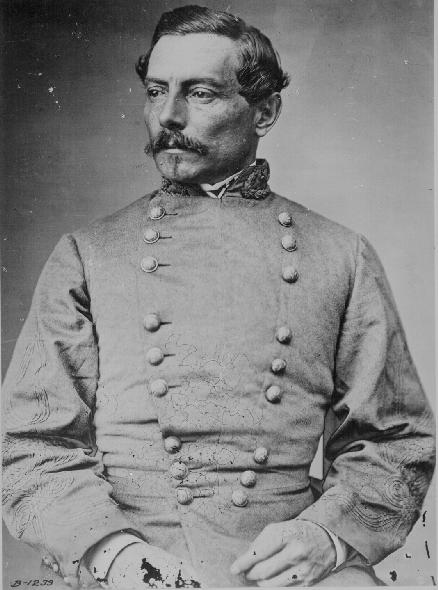
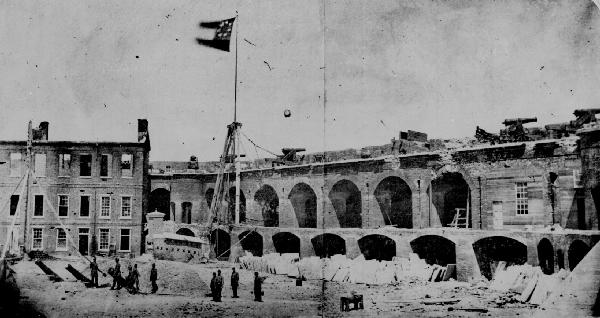
April 12, 1861 - The American Civil War began as Confederate troops under the command of General Pierre Beauregard opened fire at 4:30 a.m. on Fort Sumter in Charleston, South Carolina.
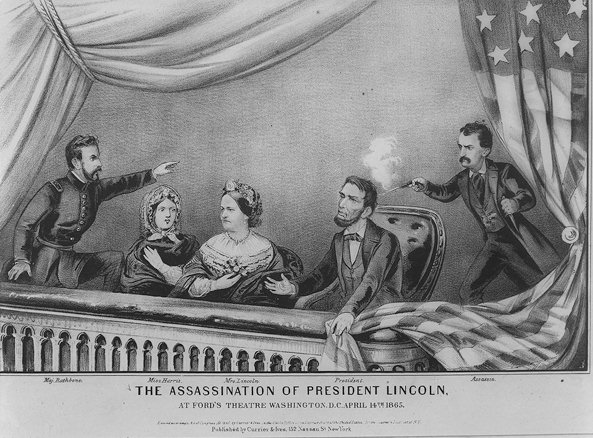
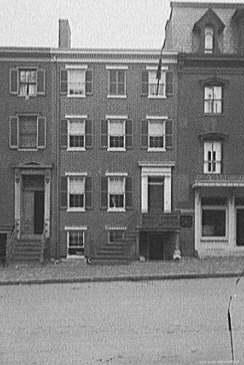
April 14, 1865 - President Abraham Lincoln was shot and mortally wounded while watching a performance of Our American Cousin at Ford's Theater in Washington. He was taken to a nearby house and died the following morning at 7:22 a.m.
April 15, 1912 - In the icy waters off Newfoundland, the luxury liner Titanic with 2,224 persons on board sank at 2:27 a.m. after striking an iceberg just before midnight. Over 1,500 people drowned while 700 were rescued by the liner Carpathia which arrived about two hours after Titanic went down.
April 16, 1862 - Congress abolished slavery in the District of Columbia and appropriated $1 million to compensate owners of freed slaves.
April 17, 1961 - A U.S.-backed attempt to overthrow Premier Fidel Castro of Cuba failed disastrously in what became known as the Bay of Pigs fiasco. About 1,400 anti-Castro exiles invaded the island's southern coast along the Bay of Pigs but were overrun by 20,000 Cuban soldiers and jailed. Trained and guided by the U.S., the exiles had expected support from U.S. military aircraft and help from anti-Castro insurgents on the island. Instead, due to a series of mishaps, they had fended for themselves with no support. The failed invasion heightened Cold War tensions between Cuba's political ally, Soviet Russia, and the fledgling administration of President John F. Kennedy. The following year, the Russians brazenly installed nuclear missiles in Cuba resulting in the Cuban Missile Crisis.
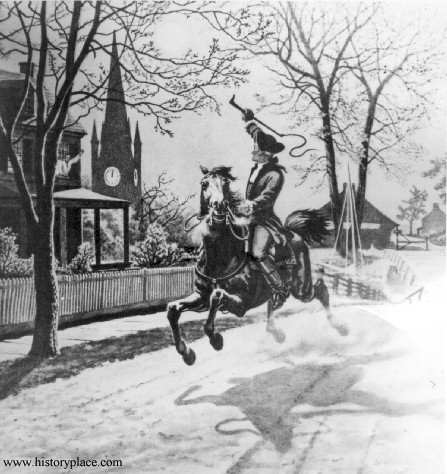
April 18, 1775 - The Midnight Ride of Paul Revere and William Dawes occurred as the two men rode out of Boston about 10 p.m. to warn patriots at Lexington and Concord of the approaching British.
April 19, 1775 - At dawn in Massachusetts, about 70-armed militiamen stood face to face on Lexington Green with a British advance guard unit. An unordered 'shot heard around the world' began the American Revolution. A volley of British rifle fire was followed by a charge with bayonets leaving eight Americans dead and ten wounded.
April 19, 1995 - At 9:02 a.m., a massive car-bomb explosion destroyed the entire side of a nine-story federal building in Oklahoma City, killing 168 persons, including 19 children inside a day care center. A decorated Gulf War veteran was later convicted for the attack.
April 21, 1918 - During World War I, the Red Baron (Manfred von Richtofen) was shot down and killed during the Battle of the Somme. He was credited with 80 kills in less than two years, flying a red Fokker triplane. British pilots recovered his body and buried him with full military honors.
April 22, 1864 - "In God We Trust" was included on all newly minted U.S. coins by an Act of Congress.
April 23rd - Established by Israel's Knesset as Holocaust Day in remembrance of the estimated six million Jews killed by Nazis.
April 24, 1800 - The Library of Congress was established in Washington, D.C. It is America's oldest federal cultural institution and the world's largest library. Among the 145 million items in its collections are more than 33 million books, 3 million recordings, 12.5 million photographs, 5.3 million maps, 6 million pieces of sheet music and 63 million manuscripts. About 10,000 new items are added each day.
April 26, 1944 - Federal troops seized the Chicago offices of Montgomery Ward and removed its chairman after his refusal to obey President Roosevelt's order to recognize a CIO union. The seizure ended when unions won an election to represent the company's workers.
April 27, 1865 - On the Mississippi River, the worst steamship disaster in U.S. history occurred as an explosion aboard the Sultana killed nearly 2,000 passengers.
April 28, 1789 - On board the British ship Bounty, Fletcher Christian led a mutiny against Captain William Bligh, setting him and 18 loyal crew members adrift in a 23-foot open boat. Bligh survived a 47-day voyage sailing over 3,600 miles before landing on a small island. Christian sailed the Bounty back to Tahiti, eventually settling on Pitcairn Island and burning the ship.
April 30, 1789 - George Washington became the first U.S. President as he was administered the oath of office on the balcony of Federal Hall at the corner of Wall and Broad Streets in New York City.
PARTING THOUGHTS
I’m often asked why studying history is so important. Studying history helps us understand and grapple with complex questions and dilemmas by examining how the past has shaped (and continues to shape) global, national, and local relationships between societies and people. Where is much of history recorded? In books. As we head into the fourth month of the year, I encourage you to pick up a book of your choice and read. It could be the Bible, historical fiction such as my novel, “A Time for Courage” or Dr. Bailey’s book, “Do You Remember?” Drop me a few lines and let me know what you’re reading, I’d love to hear from you. Until next time, stay safe and keep reading.